
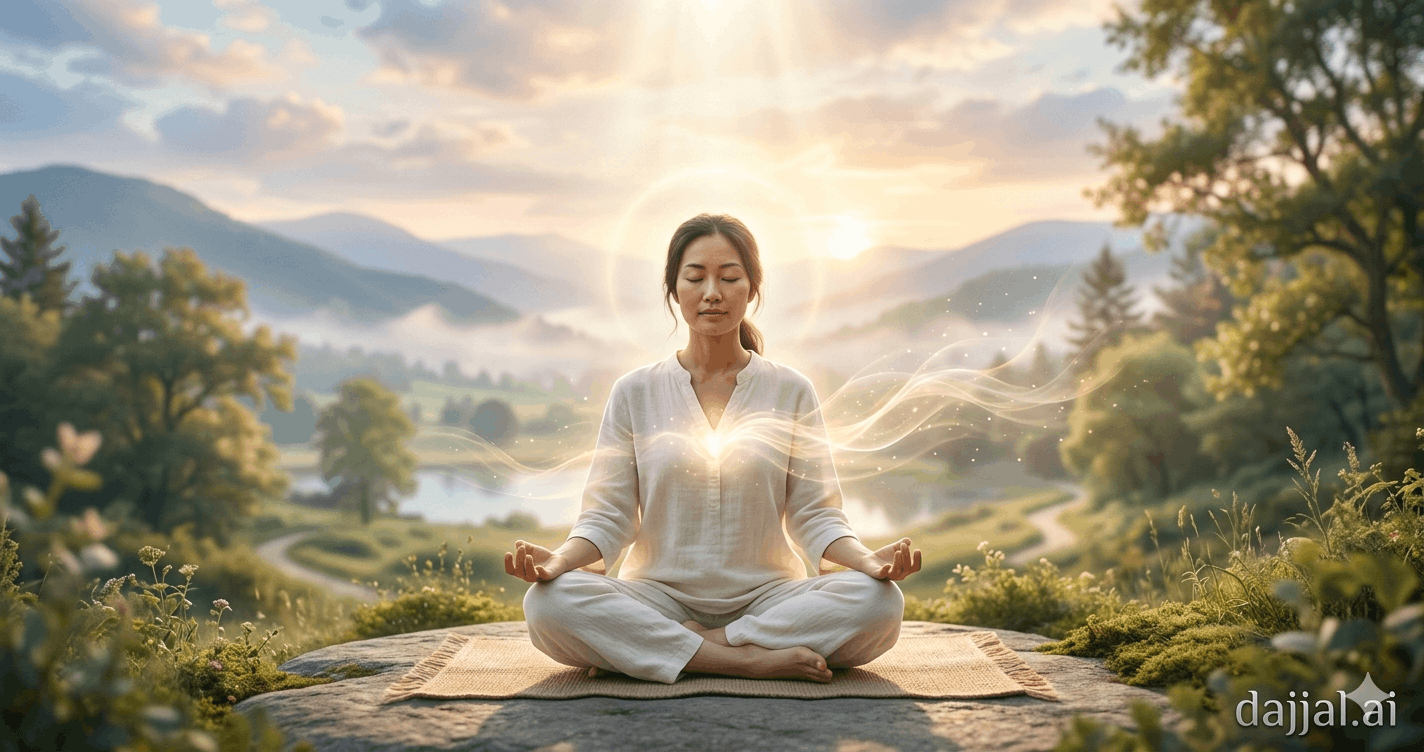
Relieve Mental Stress: Effective Practices in Spiritual Life
In the fast-paced world we live in, mental stress has become an unavoidable reality for millions. Balancing work, personal life, and societal expectations often leaves people feeling drained, anxious, and disconnected. However, through spiritual practices, one can find practical and lasting relief from mental stress. Spirituality is not just about rituals or religious beliefs; it is a holistic approach to understanding oneself and achieving inner peace.
This article explores actionable spiritual methods that help individuals relieve mental stress, regain clarity, and lead a balanced life. The strategies discussed are designed to be easy to implement, scientifically supported, and spiritually enriching.
1. Understanding Mental Stress and Its Impact
Mental stress is more than a feeling of tension or worry. It triggers physiological changes in the body, including elevated cortisol levels, disturbed sleep patterns, and reduced immunity. Chronic stress can lead to depression, anxiety disorders, and even physical illnesses such as heart disease.
Spiritual practices address the root cause of stress rather than just its symptoms. They guide the mind toward awareness, acceptance, and detachment from overwhelming thoughts. When combined with mindfulness and meditation, spiritual methods provide a sustainable way to manage mental stress.
Key Takeaways:
- Stress affects both mind and body.
- Spirituality helps address stress at its root.
- Inner calm can reduce the physical and emotional burden of stress.
2. Meditation: The Cornerstone of Stress Relief
Meditation is one of the most effective spiritual practices for mental well-being. It trains the mind to focus, enhances emotional resilience, and promotes relaxation.
Types of Meditation to Try:
- Mindfulness Meditation: Observe thoughts without judgment, focusing on the present moment.
- Transcendental Meditation: Use mantras to connect with a deeper sense of self.
- Breathing Meditation: Concentrate on breath patterns to calm the nervous system.
Benefits:
- Lowers cortisol levels
- Improves sleep quality
- Enhances emotional clarity
- Reduces anxiety and depressive symptoms
3. Prayer and Affirmations
Prayer, whether religious or secular, has a profound effect on mental health. It encourages surrender, gratitude, and hope. Positive affirmations help reprogram negative thought patterns.
Practical Tips:
- Set aside 10–15 minutes daily for silent or vocal prayer.
- Repeat affirmations like “I am at peace” or “I release all tension” during stressful moments.
- Focus on feelings rather than mere words; the emotional connection enhances the effect.
Scientific Backing:
Studies show that regular prayer and affirmation practices reduce stress hormones and improve overall emotional stability.
4. Yoga and Mind-Body Practices
Yoga integrates body, mind, and spirit, making it an ideal tool for stress management. Specific asanas (poses) help release tension stored in muscles and energy channels.
Recommended Yoga Practices:
- Shavasana (Corpse Pose): Deep relaxation of the entire body.
- Viparita Karani (Legs Up the Wall): Reduces fatigue and calms the nervous system.
- Pranayama (Breathing Exercises): Balances oxygen and energy levels, reducing anxiety.
Additional Benefits:
- Improves circulation and metabolism
- Enhances mental clarity and focus
- Strengthens emotional resilience
5. Mindfulness in Daily Life
Mindfulness is the art of living in the present moment. Spiritual mindfulness teaches us to observe thoughts, emotions, and sensations without reacting impulsively.
Practical Techniques:
- Eat, walk, or work mindfully by fully immersing in the activity.
- Pause before responding to stress triggers.
- Maintain a gratitude journal to focus on positive experiences.
Impact:
Mindfulness reduces rumination, promotes emotional balance, and prevents burnout.
6. Nature Connection and Spiritual Retreats
Spending time in nature has a calming and rejuvenating effect on the mind. Nature acts as a mirror, reflecting inner peace and providing perspective.
Suggestions:
- Take daily walks in parks or near rivers.
- Practice meditative observation of trees, sky, and natural patterns.
- Consider spiritual retreats to reset mental and emotional balance.
Scientific Evidence:
Exposure to green spaces lowers stress hormone levels and enhances mood. Retreats offer immersive experiences that accelerate mental healing.
7. Letting Go Through Forgiveness
Holding onto anger, resentment, or guilt contributes significantly to mental stress. Spiritual teachings across cultures emphasize the transformative power of forgiveness.
Steps to Practice Forgiveness:
- Acknowledge the pain and its source.
- Understand the human imperfection in yourself and others.
- Practice verbal or silent forgiveness meditation.
Results:
- Emotional release and lightness
- Improved relationships
- Enhanced self-compassion
8. Gratitude and Spiritual Journaling
Writing down daily experiences, reflections, and gratitude is a spiritual practice that cultivates a positive mindset. It shifts focus from problems to appreciation.
Tips for Effective Journaling:
- Write three things you are grateful for each day.
- Reflect on challenges and the lessons learned.
- Set intentions for inner growth and calm.
Benefits:
- Increases happiness and satisfaction
- Reduces stress by reframing negative experiences
- Supports emotional and spiritual growth
9. Community and Spiritual Fellowship
Connecting with like-minded individuals fosters support, empathy, and accountability. Spiritual communities provide safe spaces for sharing, learning, and practicing mindfulness.
Ways to Engage:
- Attend meditation circles, yoga classes, or spiritual workshops.
- Volunteer for community services to enhance purpose and compassion.
- Share experiences to inspire others and strengthen your own practice.
10. Creating a Daily Spiritual Routine
Consistency is key to transforming mental stress. A structured daily spiritual routine integrates multiple practices for long-term benefits.
Sample Routine:
- Morning: Meditation + Affirmations (20–30 minutes)
- Afternoon: Mindful breaks and breathing exercises (5–10 minutes)
- Evening: Journaling + Gratitude practice (15–20 minutes)
Benefits of Routine:
- Builds mental resilience
- Encourages self-discipline
- Reduces chronic stress gradually
Conclusion
Mental stress may feel overwhelming, but spiritual practices provide effective tools for relief and inner transformation. By integrating meditation, mindfulness, yoga, gratitude, and community support, one can regain balance, clarity, and peace. These practices not only reduce stress but also enhance overall well-being and life satisfaction.
Spiritual life is not about escaping reality; it is about embracing it with awareness, acceptance, and inner calm. With consistent practice, mental stress becomes manageable, allowing you to thrive in every aspect of life.

Leave a Reply