
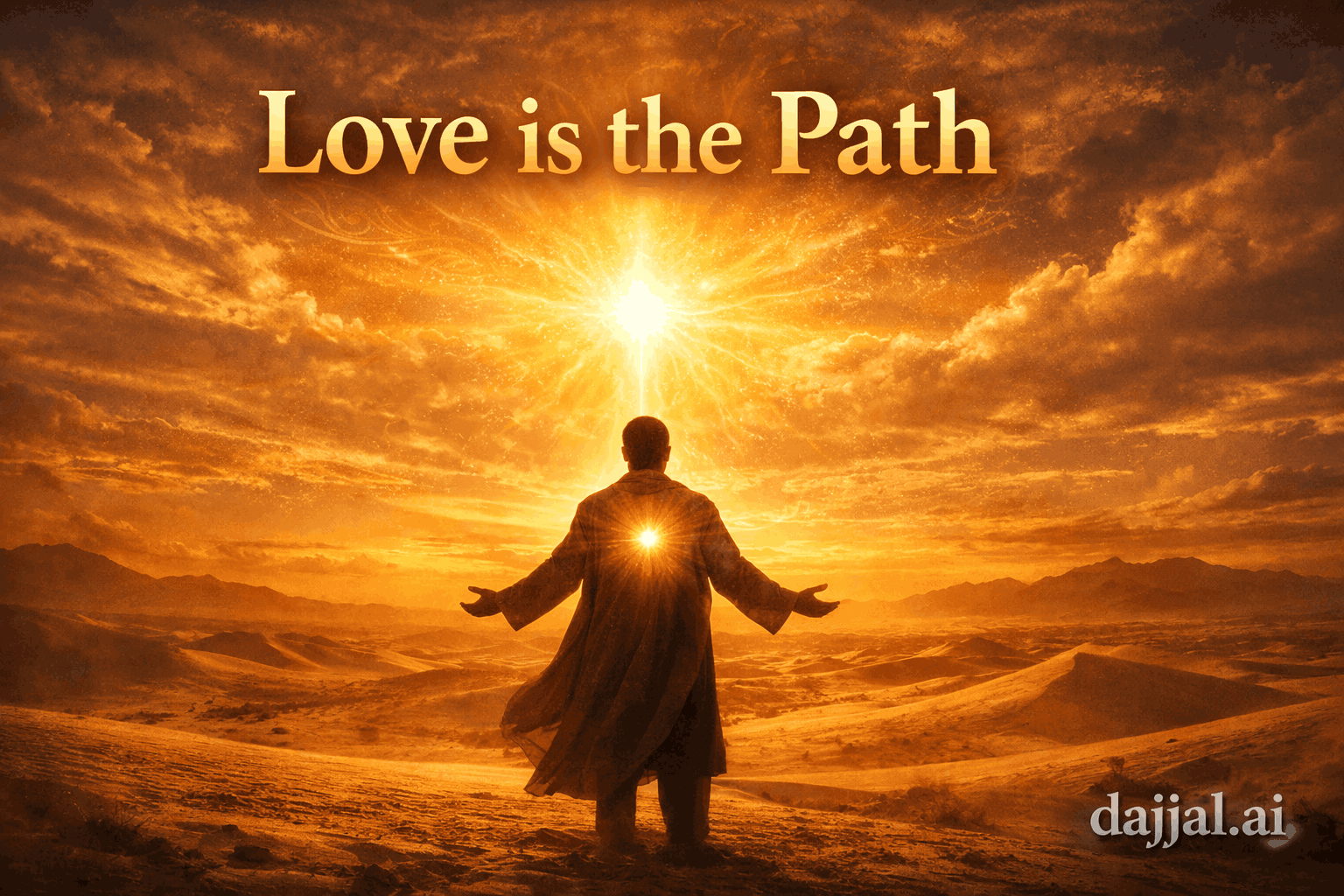
Love in Rumi’s Philosophy: The Core of Sufism Power
In a world filled with chaos, noise, and emotional disconnection, the teachings of Rumi feel more relevant than ever. His words travel across centuries, cultures, and religions, touching hearts with a universal message—love is the essence of existence. But in Rumi’s philosophy, love is not merely an emotion or romantic ideal. It is the driving force of spiritual awakening, the foundation of Sufism, and the path toward divine truth.
Sufism, often described as the mystical dimension of Islam, focuses on inner purification, closeness to God, and transcendence of the ego. At the heart of this journey lies one powerful element—love (Ishq). For Rumi, love is not optional; it is essential. Without love, the soul remains asleep. With love, it awakens, transforms, and returns to its origin.
This article explores deeply why love is considered the core power of Sufism in Rumi’s philosophy, how it works, and how it can reshape our lives today.
Understanding Sufism: The Spiritual Path of Love
Sufism is often misunderstood as a philosophy of isolation or asceticism. In reality, it is a journey of the heart. It emphasizes:
- Inner purification
- Detachment from ego
- Deep connection with the Divine
- Experiencing God through love
Unlike rigid religious structures, Sufism focuses on feeling rather than form, experience rather than theory.
At its core, Sufism teaches that:
“God is not found through logic alone, but through love.”
And this is where Rumi’s philosophy aligns perfectly.
Rumi’s Concept of Love: Beyond Human Emotion
For Rumi, love is not limited to human relationships. It is a cosmic force, a divine energy that exists in everything.
Types of Love in Rumi’s Philosophy
1. Human Love (Ishq-e-Majazi)
This is earthly love—between people. It acts as a bridge to understand deeper love.
2. Divine Love (Ishq-e-Haqiqi)
This is the ultimate goal. Love directed toward the Creator. It is pure, eternal, and transformative.
Rumi believed that even human love is a reflection of divine love. When someone truly loves, they begin to transcend ego and experience something higher.
Why Love Is the Core Power of Sufism
1. Love Destroys the Ego (Nafs)
The biggest barrier between humans and God, according to Sufism, is the ego (nafs).
- Ego creates pride
- Ego creates separation
- Ego creates illusion
Love, however, does the opposite.
When a person falls deeply in love:
- They become humble
- They surrender
- They lose their sense of “self”
Rumi says:
“Lose yourself completely, return to the root of the root of your own soul.”
Love dissolves the ego, making space for divine presence.
2. Love Awakens the Soul
Many people live mechanically—without awareness, without depth. Rumi describes such a life as sleep.
Love acts as a wake-up call.
- It shakes the heart
- It creates longing
- It brings awareness
This longing (known as shawq) is essential in Sufism. It pushes the seeker to search for truth.
Without love, there is no desire for spiritual growth.
3. Love Creates a Direct Connection with the Divine
Sufism teaches that God is not distant. He is closer than we think.
But intellect alone cannot reach Him.
Love creates a direct, intimate connection.
- Through love, prayer becomes alive
- Through love, worship becomes meaningful
- Through love, God is experienced, not just believed
Rumi beautifully expresses this idea:
“What you seek is seeking you.”
Love bridges the gap between the seeker and the Divine.
4. Love Transforms Pain into Growth
One of the most powerful aspects of Rumi’s philosophy is how he views pain.
He does not see suffering as something negative. Instead, he sees it as a doorway to transformation.
Love changes how we experience pain:
- Pain becomes purification
- Loss becomes awakening
- Heartbreak becomes expansion
Rumi says:
“The wound is the place where the Light enters you.”
In Sufism, pain is not avoided—it is embraced through love.
5. Love Unites Everything
Rumi’s love is universal. It goes beyond religion, race, and identity.
In his vision:
- All humans are connected
- All existence is one
- Separation is an illusion
This idea is central to Sufism:
Unity of Being (Wahdat al-Wujud)
Love dissolves boundaries and creates unity.
The Role of Love in Spiritual Transformation
Love is not just a concept—it is a process of transformation.
Stage 1: Attraction
The seeker feels drawn toward something deeper.
Stage 2: Longing
A deep desire to understand truth emerges.
Stage 3: Surrender
The ego begins to dissolve.
Stage 4: Annihilation (Fana)
The self disappears in divine love.
Stage 5: Union (Baqa)
The seeker lives in harmony with divine will.
This journey is impossible without love.
Rumi’s Metaphors of Love
Rumi uses powerful imagery to explain love:
Love as Fire
Love burns everything false.
Love as Ocean
The soul dissolves into the infinite.
Love as Flight
The soul rises beyond limitations.
Love as Wound
Pain becomes a path to light.
These metaphors show that love is active, intense, and transformative.
How Rumi’s Philosophy Applies Today
Even in modern life, Rumi’s message is deeply relevant.
1. Emotional Healing
Love helps people process trauma and find peace.
2. Inner Clarity
It reduces confusion and brings purpose.
3. Spiritual Growth
It creates a deeper connection with existence.
4. Better Relationships
When ego decreases, compassion increases.
Practical Ways to Apply Rumi’s Teachings
You don’t need to be a Sufi master to practice this philosophy.
Practice Presence
Be fully aware in each moment.
Let Go of Ego
Avoid pride and self-centered thinking.
Embrace Love
Show kindness without expectation.
Accept Pain
See challenges as growth opportunities.
Seek Inner Silence
Meditation helps connect with your inner self.
Common Misconceptions About Love in Sufism
Love is Weakness
In Sufism, love is the greatest strength.
Love is Only Romantic
Rumi’s love is spiritual and universal.
Love is Passive
It is active, intense, and transformative.
Why Rumi’s Message Still Resonates Globally
Rumi’s teachings have survived centuries because they speak to the human heart.
- They are simple yet profound
- Emotional yet philosophical
- Spiritual yet practical
His message is timeless:
Love is not just a feeling—it is the path.
Conclusion
Rumi’s philosophy reveals a powerful truth: love is the foundation of Sufism and the key to spiritual awakening. It is not limited to human relationships but extends to the entire universe.
Love destroys ego, awakens the soul, connects us with the Divine, transforms pain, and unites all existence. Without love, the spiritual path remains incomplete.
In a world driven by logic and materialism, Rumi reminds us of something essential:
The heart knows what the mind cannot understand.
If we truly embrace love—not as emotion but as a way of being—we begin to experience life differently. We become more compassionate, more aware, and more connected.
And perhaps, as Rumi believed, we come closer to the ultimate truth.

Leave a Reply