
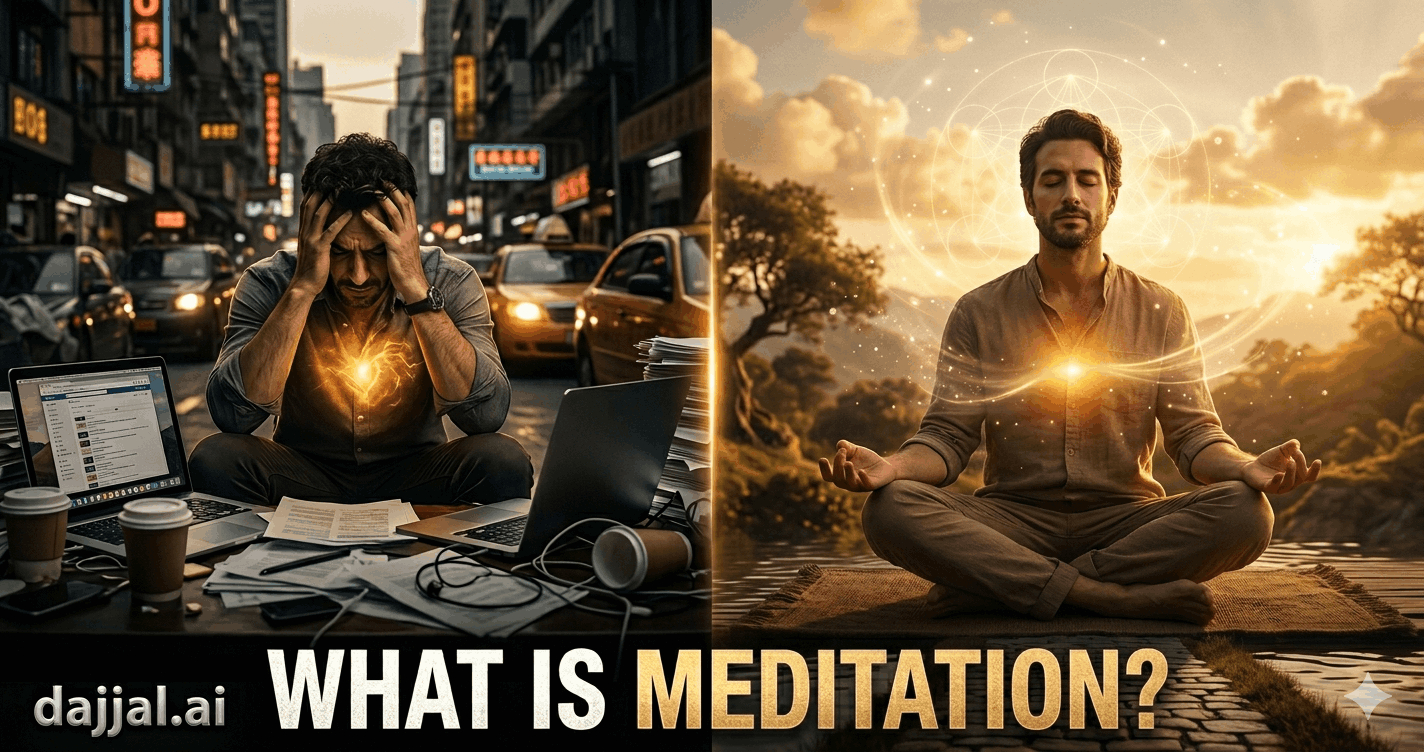
What Is Meditation and Why It Matters for Your Life
In today’s fast-paced world, where distractions are constant and stress has become a daily companion, meditation stands out as a powerful tool for restoring balance. But what exactly is meditation, and why has it become such an essential practice for millions of people around the globe?
Meditation is more than just sitting quietly with your eyes closed. It is a conscious practice of training the mind to focus, observe, and become aware of the present moment. At its core, meditation helps you step back from the noise of everyday life and reconnect with your inner self.
This article will explore what meditation truly is, how it works, and why it plays such a vital role in improving your mental, emotional, and even physical well-being.
Understanding Meditation: A Simple Yet Powerful Practice
Meditation is often misunderstood as something complex or spiritual-only. In reality, it is a simple mental exercise that anyone can practice regardless of age, background, or belief system.
At its most basic level, meditation involves:
- Focusing your attention (on breath, sound, or sensation)
- Observing your thoughts without judgment
- Returning your focus whenever the mind wanders
This repeated process gradually strengthens your awareness and control over your thoughts.
Unlike many activities that require effort and constant action, meditation is about “being” rather than “doing.” It allows the mind to settle naturally, like muddy water becoming clear when left undisturbed.
The Science Behind Meditation
Meditation is not just a spiritual idea—it is backed by modern science. Researchers have found that regular meditation can physically change the brain in positive ways.
1. Improves Brain Function
Meditation strengthens areas of the brain responsible for attention, decision-making, and emotional control. It enhances focus and reduces mental clutter.
2. Reduces Stress Hormones
Regular practice lowers cortisol levels, the hormone linked to stress. This leads to a calmer and more relaxed state of mind.
3. Enhances Emotional Stability
Meditation helps regulate emotions, making you less reactive and more thoughtful in difficult situations.
4. Supports Physical Health
Studies show benefits like lower blood pressure, improved sleep, and a stronger immune system.
Why Meditation Is Important in Modern Life
We live in a world where our minds are constantly occupied—social media, work pressure, and endless responsibilities. This overload often leads to anxiety, burnout, and lack of clarity.
Meditation acts as a reset button for the mind.
1. Brings Mental Clarity
When your mind is constantly busy, it becomes difficult to think clearly. Meditation helps clear mental fog and improves decision-making.
2. Reduces Anxiety and Overthinking
By focusing on the present moment, meditation breaks the cycle of worrying about the past or future.
3. Improves Focus and Productivity
A calm mind is a focused mind. Meditation trains your attention, making it easier to concentrate on tasks.
4. Builds Emotional Strength
Instead of reacting impulsively, meditation teaches you to respond calmly and wisely.
5. Enhances Self-Awareness
You begin to understand your thoughts, emotions, and behaviors more deeply.
Different Types of Meditation
There is no one-size-fits-all approach to meditation. Different styles suit different personalities and goals.
1. Mindfulness Meditation
This involves observing your thoughts and sensations without judgment. It is one of the most widely practiced forms.
2. Focused Meditation
You concentrate on a single point—such as breathing, a word, or a sound.
3. Loving-Kindness Meditation
This practice focuses on developing compassion and positive feelings toward yourself and others.
4. Spiritual Meditation
Often practiced in religious or spiritual traditions, it involves connecting with a higher purpose or inner self.
5. Movement Meditation
Activities like yoga or walking meditation combine physical movement with awareness.
How Meditation Changes Your Daily Life
The real power of meditation lies in its long-term impact. It doesn’t just help during the practice—it transforms how you live.
1. Better Relationships
When you are calm and aware, you communicate more effectively and respond with empathy.
2. Improved Decision-Making
You become less impulsive and more thoughtful in your choices.
3. Greater Happiness
Meditation shifts your focus from external validation to internal peace.
4. Increased Energy
A relaxed mind consumes less energy, leaving you feeling more refreshed.
Common Myths About Meditation
Many people avoid meditation because of misconceptions. Let’s clear some of them.
Myth 1: You Must Empty Your Mind
Truth: Meditation is not about stopping thoughts—it’s about observing them.
Myth 2: It Takes Too Much Time
Truth: Even 5–10 minutes a day can bring noticeable benefits.
Myth 3: It’s Only for Spiritual People
Truth: Meditation is for anyone seeking mental clarity and balance.
Myth 4: You Need Special Skills
Truth: Meditation is natural and can be learned by anyone.
How to Start Meditation (Beginner-Friendly Guide)
Starting meditation is easier than you think. Follow these simple steps:
Step 1: Find a Quiet Place
Choose a comfortable spot where you won’t be disturbed.
Step 2: Sit Comfortably
You don’t need a special posture—just sit in a relaxed position.
Step 3: Focus on Your Breath
Pay attention to your breathing—inhale and exhale naturally.
Step 4: Notice Your Thoughts
When your mind wanders, gently bring it back to your breath.
Step 5: Start Small
Begin with 5 minutes and gradually increase the duration.
Best Time to Practice Meditation
While meditation can be done anytime, certain times are more effective:
- Morning: Sets a calm tone for the day
- Evening: Helps release stress and improves sleep
- During breaks: Refreshes your mind
Consistency matters more than timing.
Challenges You May Face (And How to Overcome Them)
1. Restless Mind
Solution: Accept it. A wandering mind is normal.
2. Lack of Time
Solution: Start with short sessions.
3. Sleepiness
Solution: Meditate sitting upright instead of lying down.
4. Doubt
Solution: Give it time. Results come gradually.
Meditation and Personal Growth
Meditation is not just about relaxation—it’s a tool for transformation.
It helps you:
- Break negative thought patterns
- Develop patience and discipline
- Build inner confidence
- Discover a deeper sense of purpose
Over time, meditation shifts your perspective from reacting to life… to truly experiencing it.
The Long-Term Benefits of Meditation
When practiced consistently, meditation creates lasting changes:
- A calmer and more peaceful mind
- Better emotional control
- Improved focus and memory
- Reduced stress and anxiety
- Greater overall life satisfaction
These benefits compound over time, making meditation one of the most valuable habits you can develop.
Conclusion: Why Meditation Truly Matters
Meditation is not a trend—it is a timeless practice that addresses one of the biggest challenges of modern life: a restless mind.
By practicing meditation, you are not escaping reality—you are learning to face it with clarity, calmness, and strength.
In a world that constantly demands your attention, meditation gives you something rare and powerful: control over your own mind.
Start small, stay consistent, and allow meditation to gradually transform your life from within.

Leave a Reply