
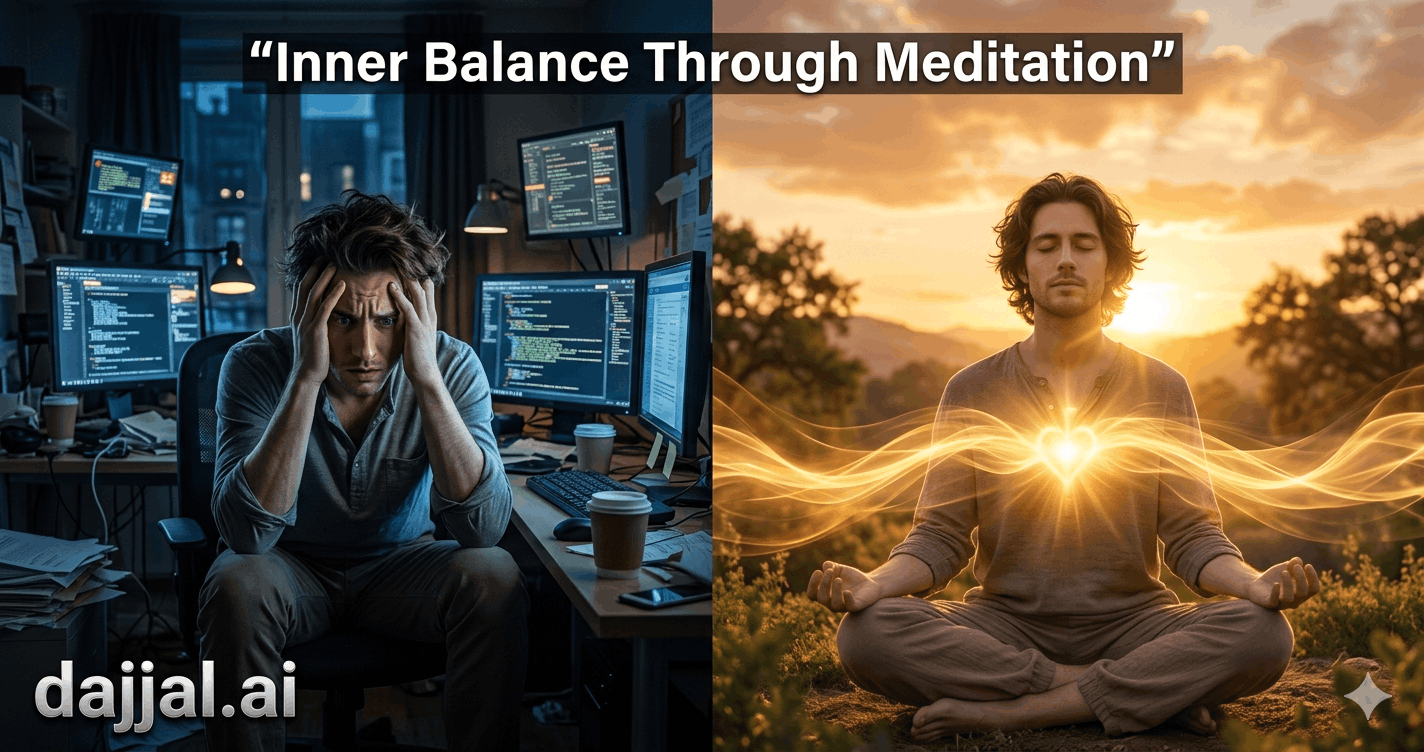
Meditation Techniques for Inner Balance and Peace
A Practical Guide to Restore Your Mind, Body, and Soul
Why Inner Balance Matters More Than Ever
Modern life is fast, noisy, and constantly demanding. From endless notifications to daily stress, our minds rarely get a moment of true rest. Many people feel overwhelmed, anxious, or disconnected—even when everything seems “fine” on the outside.
Inner balance is not a luxury anymore—it’s a necessity.
Meditation offers a simple yet powerful way to reconnect with yourself. It doesn’t require expensive tools, complicated routines, or spiritual expertise. Just a few minutes a day can begin to shift your mental and emotional state.
This guide will walk you through practical meditation techniques that anyone can follow to restore inner harmony and live a calmer, more focused life.
What Is Inner Balance?
Inner balance is a state where your thoughts, emotions, and actions are aligned. It means:
- You respond to situations calmly rather than react impulsively
- Your mind is clear instead of cluttered
- You feel emotionally stable, even during challenges
- You experience a sense of peace within yourself
When inner balance is lost, you may feel:
- Constant stress or anxiety
- Overthinking and mental fatigue
- Emotional instability
- Lack of focus and motivation
Meditation helps bring this balance back by calming the mind and reconnecting you with the present moment.
The Science Behind Meditation
Meditation is not just a spiritual concept—it is supported by science.
Regular meditation has been shown to:
- Reduce cortisol (stress hormone) levels
- Improve focus and memory
- Enhance emotional regulation
- Promote better sleep
- Strengthen brain areas related to awareness and compassion
Neuroscience studies suggest that meditation can physically change brain structure over time, especially in areas responsible for attention and emotional control.
How Meditation Restores Inner Balance
Meditation works by:
1. Slowing Down the Mind
Your brain is constantly processing thoughts. Meditation creates space between those thoughts, allowing clarity to emerge.
2. Bringing Awareness
Instead of being lost in worries, meditation helps you observe your thoughts without judgment.
3. Resetting Emotional Responses
You become less reactive and more mindful in difficult situations.
4. Connecting with the Present
Most stress comes from thinking about the past or future. Meditation brings you back to the now.
Simple Meditation Techniques for Beginners
You don’t need to be an expert to start. Here are some easy yet powerful techniques:
1. Breath Awareness Meditation
This is the simplest and most effective technique.
How to do it:
- Sit comfortably
- Close your eyes
- Focus on your breathing
- Notice each inhale and exhale
If your mind wanders (it will), gently bring your focus back to your breath.
Duration: Start with 5–10 minutes
Benefits:
- Reduces stress
- Improves concentration
- Calms the nervous system
2. Body Scan Meditation
This technique helps release physical tension.
Steps:
- Lie down or sit comfortably
- Slowly bring attention to each part of your body
- Start from your toes and move upward
- Notice any tension and relax that area
Benefits:
- Relieves physical stress
- Improves mind-body connection
- Promotes relaxation
3. Mindfulness Meditation
This involves being fully present in the moment.
How to practice:
- Focus on your surroundings
- Notice sounds, sensations, and thoughts
- Do not judge—just observe
You can practice this even while walking, eating, or working.
Benefits:
- Increases awareness
- Reduces overthinking
- Improves emotional stability
4. Guided Meditation
Perfect for beginners who find it hard to focus alone.
You can listen to audio instructions that guide you through the process.
Benefits:
- Easy to follow
- Helps maintain focus
- Ideal for beginners
5. Loving-Kindness Meditation
This technique focuses on compassion and positivity.
Steps:
- Sit quietly
- Repeat phrases like:
- “May I be happy”
- “May I be peaceful”
- Gradually extend these wishes to others
Benefits:
- Reduces negative emotions
- Increases empathy
- Improves relationships
Creating a Daily Meditation Routine
Consistency is more important than duration.
Tips to build a habit:
- Start with just 5 minutes daily
- Choose a fixed time (morning or night)
- Create a quiet space
- Avoid distractions
- Be patient with yourself
Even a short daily practice can bring noticeable changes over time.
Common Mistakes to Avoid
Many beginners quit meditation because of unrealistic expectations.
Avoid these mistakes:
- Expecting instant results
- Trying to stop thoughts completely
- Being too strict or forceful
- Skipping consistency
- Comparing yourself to others
Meditation is not about perfection—it’s about awareness.
How Long Does It Take to See Results?
Results vary from person to person.
- Immediate: Calmness and relaxation
- 1–2 weeks: Better focus and reduced stress
- 1–2 months: Emotional balance and clarity
- Long-term: Deep inner peace and resilience
The key is consistency.
Meditation for Stress and Anxiety
Stress is one of the biggest obstacles to inner balance.
Meditation helps by:
- Lowering heart rate
- Relaxing muscles
- Reducing negative thought patterns
A simple 10-minute breathing meditation can significantly reduce daily stress levels.
Meditation and Emotional Healing
Many people carry emotional wounds from the past.
Meditation allows you to:
- Acknowledge your emotions
- Process them without judgment
- Release negativity
- Cultivate inner peace
It creates a safe space within yourself.
The Role of Silence in Meditation
Silence is powerful.
In silence, you begin to hear your true thoughts, feelings, and inner voice. Meditation teaches you to become comfortable with silence instead of avoiding it.
Can Meditation Change Your Life?
Yes—but not overnight.
Meditation doesn’t magically solve problems. Instead, it changes how you respond to them.
You become:
- More patient
- More aware
- Less reactive
- More emotionally stable
Over time, this leads to a better quality of life.
Practical Tips for Better Results
- Meditate at the same time daily
- Keep your spine straight
- Don’t force concentration
- Use calming music if needed
- Be kind to yourself
Meditation in Daily Life
Meditation is not limited to sitting quietly.
You can practice it while:
- Walking
- Eating
- Listening
- Working
Simply bring awareness to whatever you’re doing.
Final Thoughts: Your Journey to Inner Balance
Inner balance is not something you find—it’s something you create.
Meditation is a journey, not a destination. Some days will feel peaceful, others chaotic—and that’s okay.
What matters is showing up every day.
Start small. Stay consistent. Be patient.
Over time, you will notice a quiet transformation within yourself—a sense of calm that no external situation can easily shake.

Leave a Reply