
Throughout history, humanity has always been fascinated by the future. Questions about the end of the world, the trials that may come before the Day of Judgment, and the figures mentioned in religious prophecy have captured the attention of scholars and ordinary people alike.
One of the most mysterious and widely discussed figures in Islamic eschatology is the Dajjal, often described as the greatest deceiver who will appear before the end of time. The trials associated with the Dajjal are said to be so powerful that many people will struggle to recognize the truth.
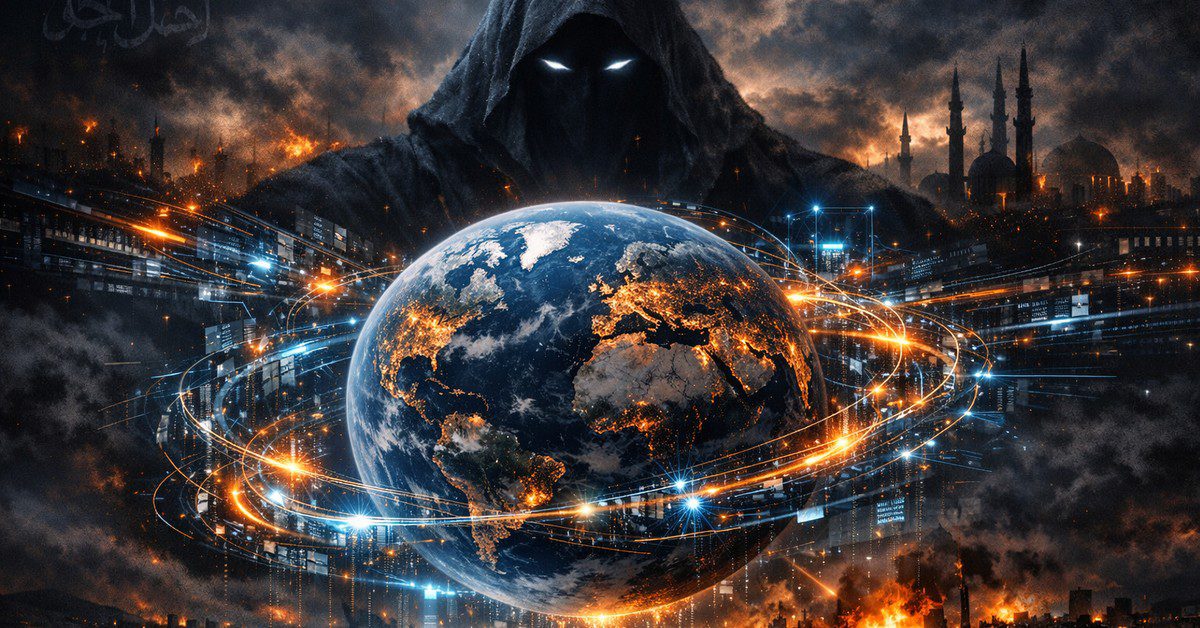
In the modern era, as technology evolves at an unprecedented pace, a new question has begun to emerge: could the Dajjal use advanced technologies like artificial intelligence to influence or control the world?
Artificial intelligence has already transformed many aspects of human life. It shapes the information we see online, assists in scientific discoveries, powers communication platforms, and influences global systems. Because of this growing influence, some people wonder whether such technology could play a role in the type of widespread deception described in Islamic traditions.
While Islamic scriptures do not directly mention modern technology, exploring the relationship between prophecy and technological advancement can lead to meaningful reflection about faith, awareness, and the responsibilities that come with powerful tools.
Understanding the Concept of the Dajjal in Islam
In Islamic teachings, the Dajjal is known as one of the greatest trials that humanity will experience before the Day of Judgment. Numerous authentic narrations describe him as a figure who will appear during a time of global turmoil and confusion.
The Dajjal is portrayed as a master of deception who will claim powers that belong only to God. Through manipulation, illusion, and persuasive influence, he will attempt to convince people that he deserves worship.
Many descriptions emphasize that the Dajjal will appear with abilities that seem extraordinary to those who witness them. He will present signs that appear miraculous, and many individuals will struggle to distinguish between truth and deception.
The key element of the Dajjal’s story is not merely his presence but the scale of the test he represents. The challenge he brings is described as one that will test faith, intelligence, and moral strength.
For this reason, Islamic teachings often emphasize awareness and preparation rather than fear.
The Nature of the Dajjal’s Deception
One of the central themes in the descriptions of the Dajjal is deception. Unlike ordinary leaders or political figures, the Dajjal’s influence will be built on convincing people of a false reality.
His power will not necessarily come from brute force alone. Instead, it will come from the ability to shape what people believe.
Deception can take many forms. It can involve illusions, misinformation, manipulation of perception, and the exploitation of human weakness. When people become confused about what is real and what is false, it becomes easier for deception to spread.
This aspect of the prophecy is particularly interesting when viewed in the context of the modern world. Today, information spreads faster than at any point in human history, and the ability to influence perception has become incredibly powerful.
The Modern World and the Rise of Artificial Intelligence
Artificial intelligence is one of the most transformative technologies of the modern era. In simple terms, AI refers to computer systems that can analyze data, recognize patterns, and perform tasks that normally require human intelligence.
AI systems are now used in many areas of daily life. They help doctors analyze medical data, assist businesses in making decisions, and power search engines that organize vast amounts of information.
Perhaps most significantly, artificial intelligence shapes the information people encounter every day. Social media algorithms determine which posts users see. Recommendation systems suggest videos, news articles, and entertainment content.
Because these systems influence billions of people, they play a powerful role in shaping opinions, beliefs, and cultural trends.
Technology as a Tool of Influence and Control
Throughout history, new technologies have often changed the balance of power. The invention of printing presses transformed communication. The development of radio and television changed politics and culture.
Today, digital technology and artificial intelligence have taken this influence to an entirely new level.
Information can travel across the world in seconds. A message posted online can reach millions of people almost instantly. At the same time, advanced algorithms can analyze behavior, preferences, and emotional responses.
This means that modern technology has the potential to influence not just what people know, but how they think and react.
When viewed from this perspective, technology becomes more than a tool for convenience. It becomes a powerful instrument capable of shaping entire societies.
Could the Dajjal Use Modern Technology?
Islamic texts do not specifically mention artificial intelligence, digital networks, or modern communication systems. These technologies did not exist when the prophetic descriptions were recorded.
However, many scholars suggest that when the Dajjal appears, he will operate within the context of whatever era humanity is experiencing.
If the world at that time is technologically advanced, it would not be surprising if the tools of that era played some role in spreading influence and deception.
This does not necessarily mean that artificial intelligence itself will be connected to the Dajjal. Instead, it highlights the possibility that powerful technologies could be misused by individuals who seek control.
The key lesson is not about predicting specific tools but about understanding how deception can evolve in different circumstances.
Artificial Intelligence and the Power of Information
One of the most powerful aspects of artificial intelligence is its ability to process enormous amounts of data.
AI systems can analyze millions of patterns, identify trends, and generate content that appears realistic and convincing. In recent years, technologies such as deepfake videos and AI-generated voices have demonstrated how easily digital media can be manipulated.
These tools can create videos of people saying things they never said or images of events that never happened. As these technologies become more sophisticated, distinguishing between authentic and fabricated content may become increasingly difficult.
In a world where information can be manipulated so easily, the potential for confusion and misinformation becomes much greater.
Why Deception Is Easier in the Digital Age
The digital age has created an environment where information spreads rapidly but verification often happens slowly.
Many people rely on headlines, short clips, or viral posts rather than careful investigation. As a result, misleading information can spread widely before anyone has time to analyze it properly.
Artificial intelligence can amplify this effect by producing massive amounts of content quickly. Automated systems can generate articles, videos, and messages that appear authentic but may contain false information.
If such technologies were intentionally used to mislead people, the scale of deception could become enormous.
The Psychological Impact of Advanced Technology
Technology does not only influence information; it also affects human psychology.
Digital platforms are designed to capture attention and encourage engagement. Notifications, recommendations, and trending topics constantly compete for people’s focus.
This environment can make it difficult for individuals to slow down and evaluate information critically. When people are overwhelmed by constant streams of content, they may become more vulnerable to emotional reactions and persuasive messaging.
Understanding this psychological dynamic is important because deception often succeeds when individuals react quickly rather than thoughtfully.
Islamic Guidance for Facing the Trials of the Dajjal
Islamic teachings provide several forms of guidance for believers regarding the trials of the Dajjal.
One important recommendation is the recitation and understanding of Surah Al-Kahf. According to authentic traditions, reading the opening and closing verses of this chapter can serve as protection from the deception of the Dajjal.
Another important teaching is the pursuit of knowledge. Understanding religious principles, strengthening faith, and maintaining moral clarity are all emphasized as ways to remain firm in the face of confusion.
The emphasis is always placed on spiritual strength rather than fear of external forces.
Strengthening Faith in a Technological Era
The rapid development of technology presents both opportunities and challenges.
On one hand, digital tools can be used to spread knowledge, connect communities, and promote positive change. On the other hand, the same tools can also be misused to spread misinformation or manipulate public opinion.
For believers, the challenge is not to reject technology but to use it responsibly and remain aware of its influence.
Developing critical thinking, seeking reliable sources of information, and maintaining a strong spiritual foundation are all essential in navigating a world shaped by advanced technology.
A Balanced Perspective on Prophecy and Technology
Discussions about the Dajjal and artificial intelligence often attract strong opinions. Some people believe technology will play a central role in end-time events, while others argue that such ideas are purely speculative.
A balanced perspective recognizes that while technology may influence the world, the core message of religious teachings focuses on human behavior, faith, and moral choices.
Prophecies about the Dajjal emphasize the importance of recognizing deception and remaining loyal to truth. Whether deception appears through illusions, persuasive rhetoric, or technological manipulation, the underlying challenge remains the same.
Conclusion
The idea that the Dajjal might use artificial intelligence to control the world is a fascinating topic of discussion in the modern age. However, Islamic teachings do not provide direct evidence connecting the Dajjal to specific technologies.
What the teachings do emphasize is the extraordinary nature of the deception that will occur and the importance of faith, knowledge, and awareness in resisting it.
Artificial intelligence, like any powerful tool, can be used for both beneficial and harmful purposes. The true challenge lies not in the technology itself but in how it is used.
Ultimately, the lessons surrounding the Dajjal encourage believers to focus on strengthening their faith, seeking knowledge, and remaining vigilant against deception in all forms.
In a rapidly changing world, these principles remain as relevant as ever.


Leave a Reply