
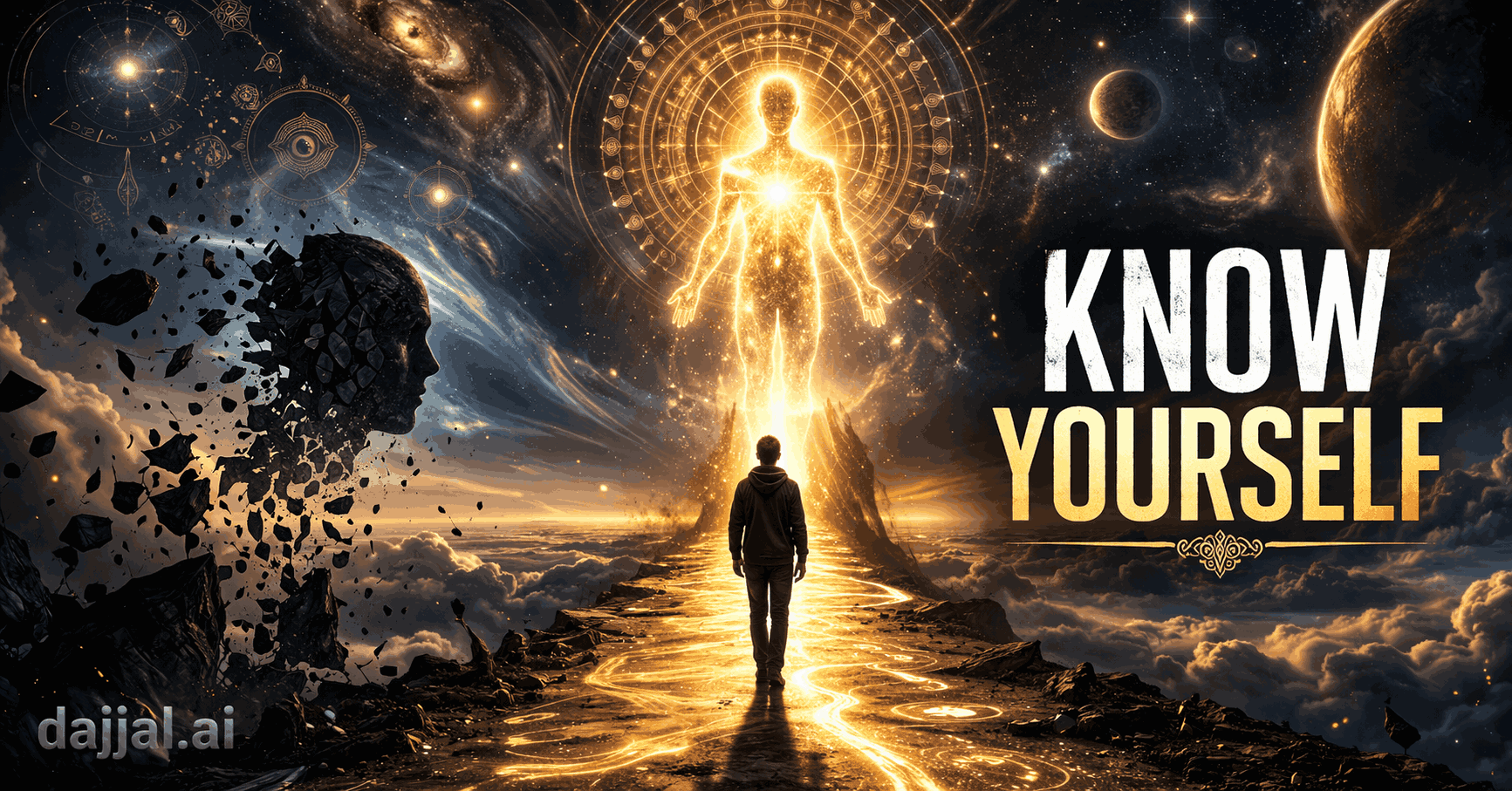
The Path to Self-Knowledge: Deep Spiritual Philosophy
Why Knowing Yourself Is the Ultimate Journey
In a world filled with constant noise, digital distractions, and endless comparisons, one of the most powerful yet overlooked journeys is the journey inward—the path to self-knowledge. While we chase success, relationships, and recognition, a deeper question quietly remains: Who am I, really?
Self-knowledge is not just about understanding your personality traits or preferences. It is about discovering your true essence—beyond ego, beyond fear, beyond social conditioning. It is a journey that philosophers, mystics, and seekers have explored for centuries.
This article dives deep into the spiritual philosophy of self-awareness, offering insights, practices, and perspectives that can transform your life from within.
What Is Self-Knowledge?
Self-knowledge is the conscious understanding of your inner world—your thoughts, emotions, beliefs, motivations, and deeper identity.
At a surface level, it includes:
- Your strengths and weaknesses
- Your likes and dislikes
- Your habits and behaviors
But at a deeper spiritual level, self-knowledge asks:
- What is my true nature?
- Am I just my thoughts, or something beyond them?
- What is the purpose of my existence?
True self-knowledge begins when you stop identifying with temporary labels and start observing your inner reality.
The Difference Between Ego and True Self
One of the biggest obstacles on the path to self-knowledge is the ego.
Ego (False Identity)
- Built from social conditioning
- Seeks validation and control
- Driven by fear and comparison
- Constantly changing
True Self (Spiritual Identity)
- Calm, aware, and observing
- Not dependent on external validation
- Rooted in presence and consciousness
- Unchanging and authentic
Most people live their entire lives trapped in the ego, mistaking it for their true self. Spiritual philosophy teaches that you are not your ego—you are the awareness behind it.
Ancient Wisdom on Self-Knowledge
Throughout history, different spiritual traditions have emphasized the importance of knowing oneself.
Eastern Philosophy
In many Eastern traditions, self-realization is considered the highest goal of life. The idea is simple: when you know yourself, you understand the universe.
Sufi Perspective
Sufi teachings emphasize that self-knowledge leads to divine knowledge. The heart becomes a mirror reflecting deeper truths when it is purified through love and awareness.
Western Philosophy
Philosophers like Socrates believed that self-knowledge is the foundation of wisdom. His famous idea, “Know thyself,” remains relevant even today.
Why Self-Knowledge Is So Difficult
If self-knowledge is so important, why do most people avoid it?
1. Fear of Truth
Looking within can reveal uncomfortable truths—insecurities, fears, and unresolved emotions.
2. Constant Distraction
Social media, entertainment, and busy lifestyles keep us externally focused.
3. Ego Resistance
The ego resists self-examination because it thrives on illusion.
4. Lack of Guidance
Many people simply don’t know how to begin the journey.
The Role of Awareness in Self-Discovery
Awareness is the key that unlocks self-knowledge.
When you become aware of your thoughts instead of being controlled by them, something powerful happens—you create space between “you” and your mind.
Practice: Thought Observation
- Sit quietly for 5 minutes
- Observe your thoughts without judgment
- Notice patterns, fears, and desires
This simple practice gradually reveals your inner world.
Meditation: The Gateway to Inner Truth
Meditation is one of the most effective tools for self-discovery.
Benefits of Meditation:
- Reduces mental noise
- Increases clarity
- Enhances emotional awareness
- Connects you to your inner self
You don’t need complicated techniques. Even simple breathing meditation can help you access deeper layers of consciousness.
The Power of Silence and Solitude
In silence, you begin to hear yourself.
Modern life rarely gives us the opportunity to be alone without distraction. But solitude is essential for self-reflection.
Why Silence Matters:
- It removes external influence
- It reveals internal dialogue
- It strengthens inner clarity
Spending time alone—even 10–15 minutes a day—can significantly deepen your self-awareness.
Emotional Awareness: Understanding Your Inner Reactions
Your emotions are powerful guides.
Instead of suppressing or avoiding them, try to understand:
- Why am I feeling this way?
- What triggered this emotion?
- What belief is behind it?
When you understand your emotions, you begin to understand yourself.
Breaking the Illusion of Identity
Most people define themselves by:
- Their job
- Their social status
- Their relationships
- Their past experiences
But these are temporary identities.
True self-knowledge begins when you ask:
“If all of these were taken away, who would I be?”
This question opens the door to deeper realization.
The Role of Mindfulness in Self-Knowledge
Mindfulness means being fully present in the moment.
When you are mindful:
- You observe your thoughts
- You notice your reactions
- You become less reactive and more aware
This awareness gradually dissolves unconscious patterns.
Spiritual Practices for Self-Discovery
Here are some powerful practices to deepen your journey:
1. Journaling
Write your thoughts daily. This helps you understand your patterns.
2. Meditation
Practice daily, even for a few minutes.
3. Self-Inquiry
Ask questions like:
- Who am I?
- What do I truly want?
4. Gratitude Practice
It shifts your focus from lack to awareness.
5. Detachment
Learn to observe without attachment.
The Transformation That Comes with Self-Knowledge
When you truly know yourself, everything changes.
You become emotionally stable
You stop seeking validation
You make clearer decisions
You feel inner peace
Life becomes less about reacting and more about understanding.
Common Misconceptions About Spirituality
It’s only for monks or saints
Truth: Anyone can practice self-awareness.
It requires isolation
Truth: You can practice it in daily life.
It’s about escaping reality
Truth: It’s about understanding reality deeply.
How Self-Knowledge Improves Your Daily Life
Self-awareness impacts every area of life:
Career
Better decision-making and clarity
Relationships
Deeper understanding and empathy
Mental Health
Reduced anxiety and overthinking
Personal Growth
Continuous inner evolution
The Journey Never Ends
Self-knowledge is not a destination—it’s a lifelong journey.
As you grow, your understanding deepens. New layers of awareness continue to unfold.
Conclusion: Returning to Your True Self
In the end, the path to self-knowledge is a return—not a discovery of something new, but a remembering of who you truly are.
Beyond the noise, beyond the ego, beyond the illusions—there is a silent, aware presence within you.
That is your true self.
And the moment you begin to connect with it, life transforms in ways you never imagined.

Leave a Reply